
Inspiring stories that keep us moving forward.
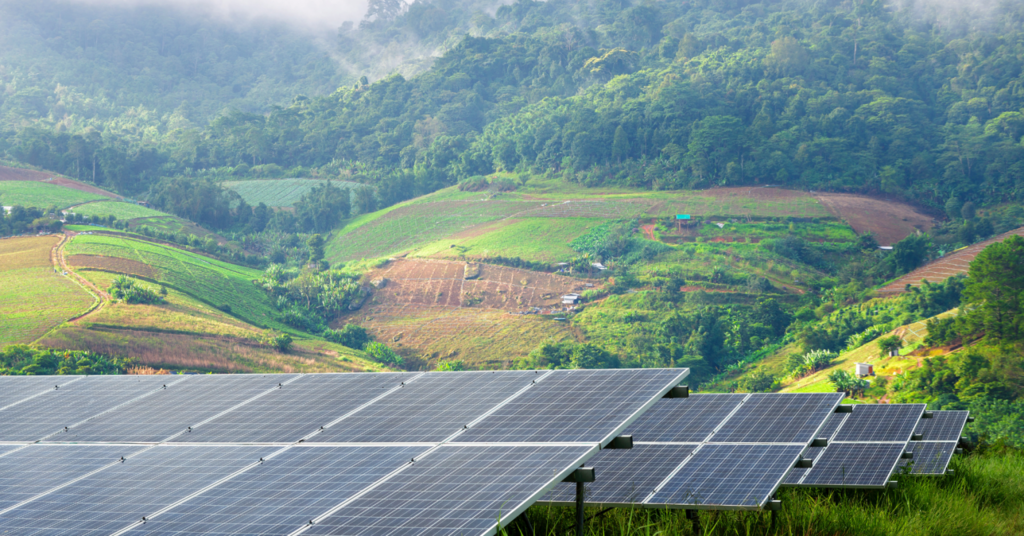
In the heart of Indonesia's rural landscapes, where sprawling rice paddies define the livelihood of many communities, a small village located far from urban centers has made significant strides toward sustainable energy usage. This remote rice-producing community, once facing frequent electricity shortages and unreliable power, has been empowered by the installation of solar electrical systems—transforming the way they live and work.
For years, the village relied on sporadic access to electricity provided by the national grid, which could not meet the growing demands of the community, especially during harvest seasons when the need for power spikes. In many rural areas of Indonesia, electricity access is limited, and those who do have power face outages due to weather conditions, infrastructure challenges, and grid instability. This instability hindered the growth of local businesses, limited educational opportunities, and made agricultural work more difficult.
Rice farmers, in particular, were severely impacted. Machinery used for irrigation, crop processing, and other farming tasks would often be rendered useless when the electricity went out. Without reliable energy, farmers had to resort to manual methods or use inefficient alternatives like diesel-powered generators, which not only increased costs but also harmed the environment.
A breakthrough came when a renewable energy initiative, supported by both Nang Solar and international organizations, introduced solar-powered electrical systems to the some houses in the village. Solar panels were installed on rooftops and in open areas, harnessing the abundant sunlight that the region receives year-round. This transition was part of a broader effort to bring sustainable and reliable energy to rural communities in Indonesia.
The new solar infrastructure provided a steady and reliable power supply, eliminating frequent outages and reducing the dependence on expensive and polluting diesel generators. Solar power has brought newfound hope and opportunity to the community, particularly to its rice farmers.
1. Enhanced Agricultural Productivity:
Solar power has revolutionized rice farming in the village. Water pumps powered by solar energy now run consistently, allowing for better irrigation of rice fields. This ensures that crops receive the necessary water for growth, even during dry spells or unpredictable weather. The availability of reliable electricity has also made it easier to operate machinery that aids in harvesting, milling, and processing rice—cutting down on labor costs and increasing efficiency.
2. Economic Opportunities:
Solar energy has paved the way for small businesses to thrive in the village. Previously, many shops and local businesses were unable to operate for long hours due to the lack of consistent electricity. With reliable power, these businesses can now stay open later, serving the community and contributing to the local economy. Moreover, some residents have begun small-scale ventures related to solar energy, such as selling solar-powered appliances and offering installation services to neighboring villages.
3. Improved Education:
Electricity availability has also had a profound impact on education. Children in the village can now study after dark, thanks to the lighting provided by solar-powered systems. Previously, many students had to rely on kerosene lamps or candles for light, which were not only hazardous but often inadequate for studying. Now, with better lighting, students are more motivated, and their academic performance has improved.
4. Community Empowerment:
The solar project has also empowered the community by providing them with the tools to take control of their own energy needs. Solar energy systems are often maintained and operated by local technicians who have been trained to install and repair the equipment. This not only creates jobs but also builds a sense of self-reliance. Residents no longer have to wait for government or utility companies to address power issues; they now have the capacity to ensure their own energy stability.
The success of the solar energy project in this remote Indonesian village is just one example of how renewable energy can bring transformative change to rural communities. The village is now looking to expand its solar energy infrastructure further, planning to introduce more solar-powered systems for larger-scale irrigation, refrigeration for agricultural produce, and even small-scale solar-powered cold storage for fish and other perishable goods.
By embracing solar power, this once-isolated community has overcome the challenges of unreliable electricity, boosting its agricultural productivity, creating economic opportunities, and improving the overall quality of life. The impact of this initiative serves as a beacon of hope for other rural communities in Indonesia and around the world, proving that with the right technology and support, sustainable development is within reach.
As the world moves toward cleaner energy solutions, communities like this rice-producing village in Indonesia are leading the way in demonstrating the benefits of solar power for rural, remote areas, ensuring that they can thrive well into the future.
We collaborate with forward-thinking individuals, delivering excellence and a dedication to sustainable energy generation.
01

Reliable and Sustainable Energy
02
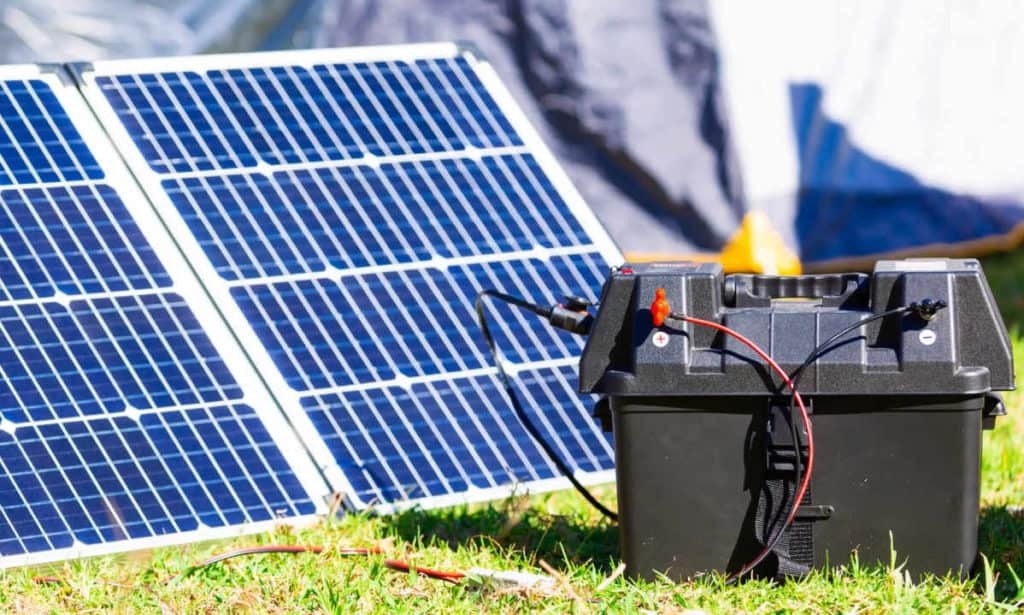
Bespoke Solutions
03
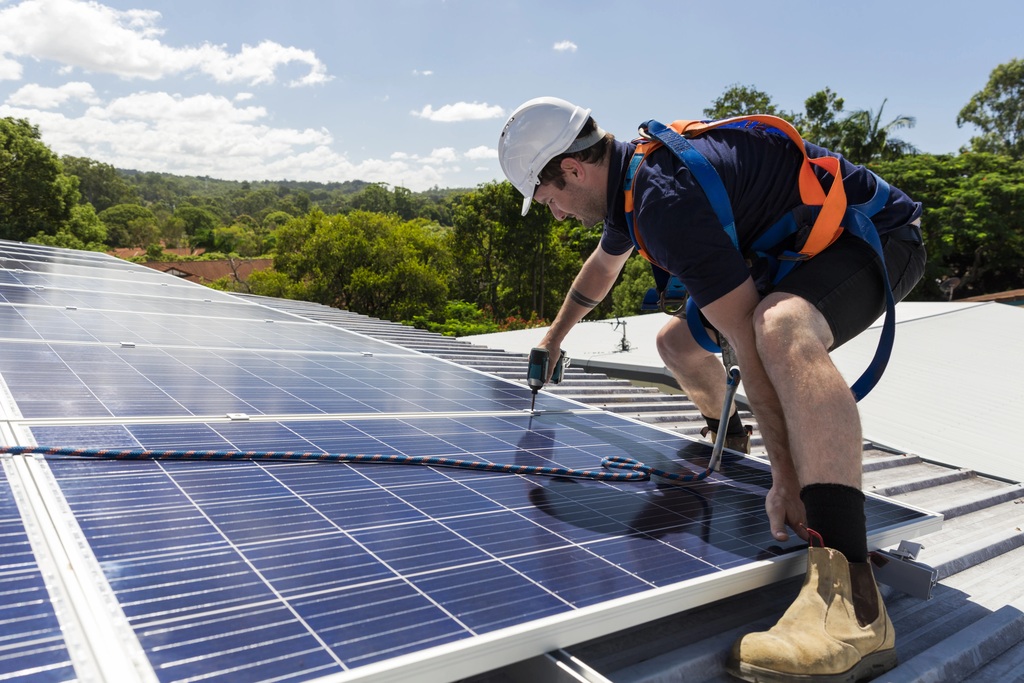
Solar Energy Optimization
04
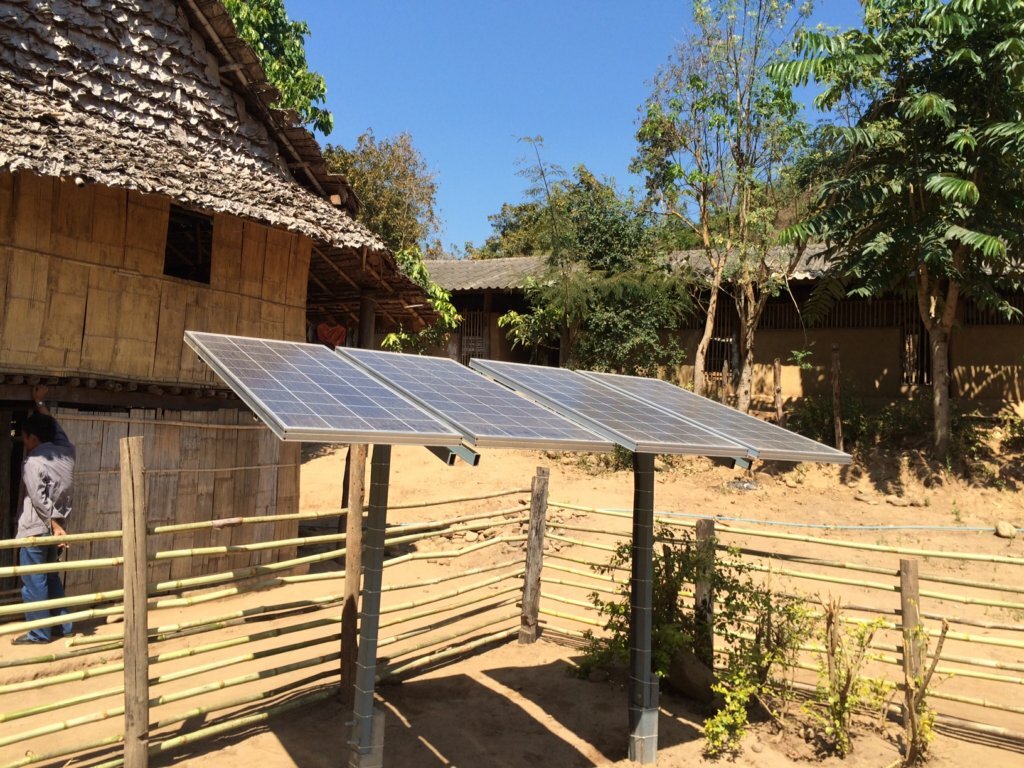
Supporting Remote Communities
Ready to embark on your journey towards sustainable success? Contact us today to schedule a consultation.

At Nang Solar, we believe in the power of collaboration and innovation to drive positive change. Let's work together to make a difference and shape a brighter, more sustainable future.